The Renault Duster has been a South African success story for over a decade, winning hearts with its no-frills approach to adventure-ready motoring. After selling more than 26,000 units locally, the third-generation model arrives with significant changes, start off with most notably, the beloved diesel engine is gone, replaced by turbocharged petrol power with mild-hybrid assistance. What a shame for the local market.
Farewell Diesel, Hello Efficiency
The departure of the 1.5-litre diesel that defined the Duster for years may disappoint loyal fans, myself included but the new 1.2-litre turbocharged three-cylinder petrol engine with mild-hybrid technology really presents a compelling alternative. Producing 96kW and 230Nm of torque, this compact powerplant is paired with a 48-volt mild-hybrid system featuring a 0.8kWh battery pack located under the passenger seat.
The mild-hybrid setup, integrated starter-generator, and aluminium construction work together to optimise fuel consumption during energy-intensive driving phases. Renault claims a combined fuel consumption of 5.7 litres per 100km, though real-world testing suggests figures closer to 7.0 litres per 100km—still respectable for a 4WD SUV with 217mm of ground clearance.
The six-speed manual transmission delivers power to all four wheels through Renault’s improved 4WD system, which now includes five terrain modes: Eco, Auto, Snow, Mud/Sand, and Off-Road. This versatility ensures the Duster remains capable whether navigating Johannesburg traffic or tackling weekend adventures out of town.
Design Evolution: Rugged Meets Refined
Built on Renault’s CMF-B platform, the 2025 Duster measures 4,343mm in length and 1,813mm in width, marginally larger than its predecessor. The height remains unchanged at 1,656mm, but the overall presence feels more substantial thanks to additional body cladding, an underbody skid plate, and Renault’s new design language.
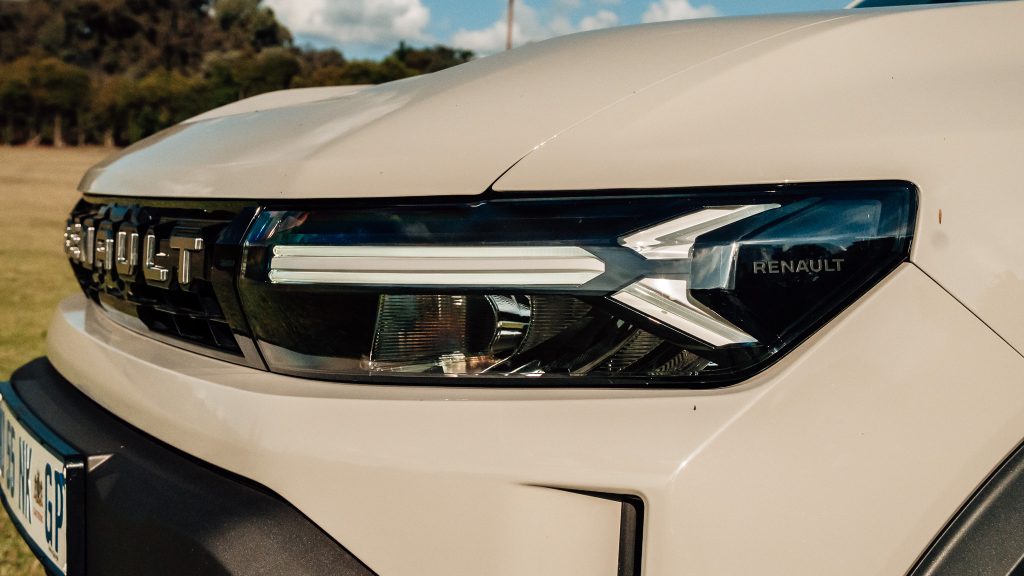
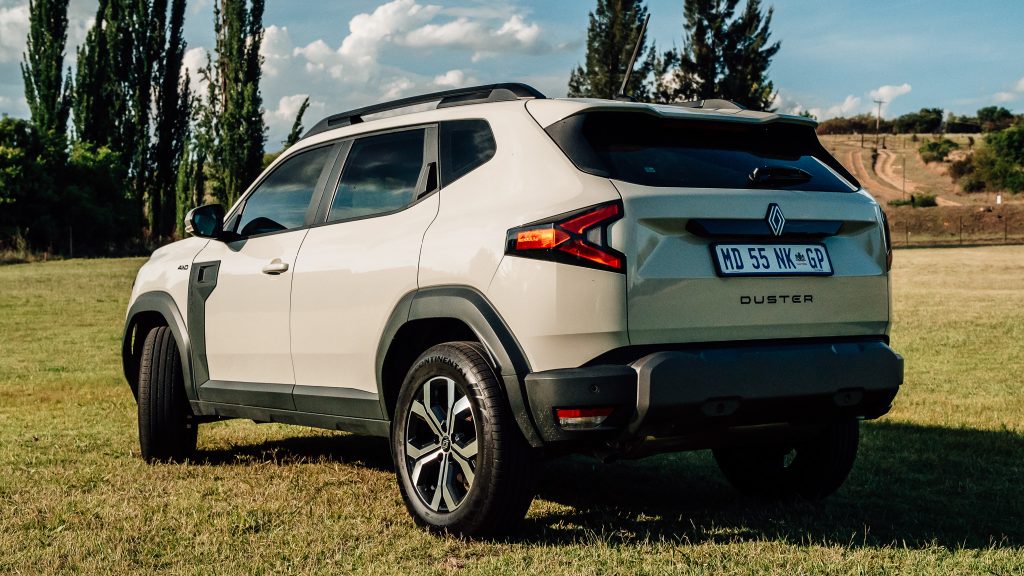
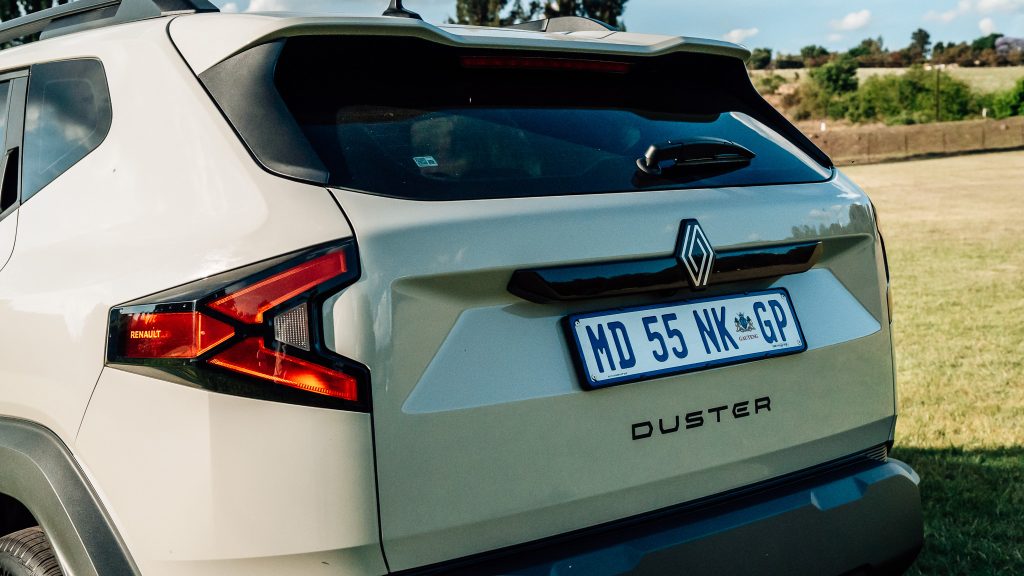
The distinctive Y-shaped LED headlights connect to “RENAULT” branding stretched across the grille, creating a modern front-end treatment that signals the brand’s evolving identity. Rear door handles are cleverly integrated into the C-pillars, while modular roof bars (capable of carrying up to 70kg) reinforce the SUV’s practical credentials.
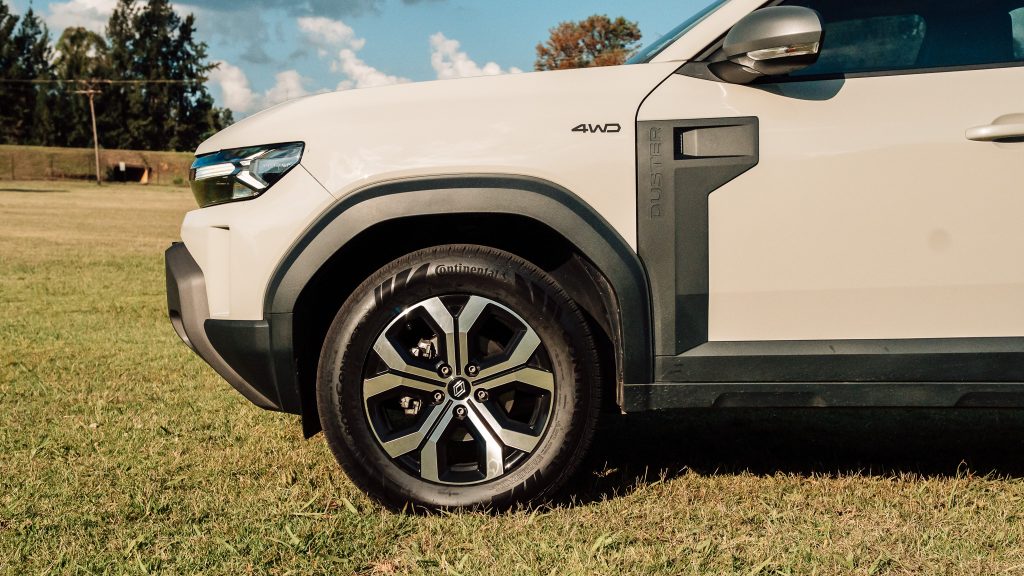
The test vehicle rode on 17-inch diamond-cut, dual-tone alloy wheels that strike a balance between style and off-road capability. The Duster’s flat-edged body and purposeful stance maintain the rugged character that made previous generations popular, but with smoother lines that acknowledge contemporary design trends.
Interior Transformation: From Utilitarian to Contemporary
Step inside, and the transformation from second-generation Duster becomes immediately apparent. Gone is the austere cabin with hard plastics dominating every surface. While recycled materials still feature prominently, reflecting Renault’s sustainability commitments, the execution is significantly improved.
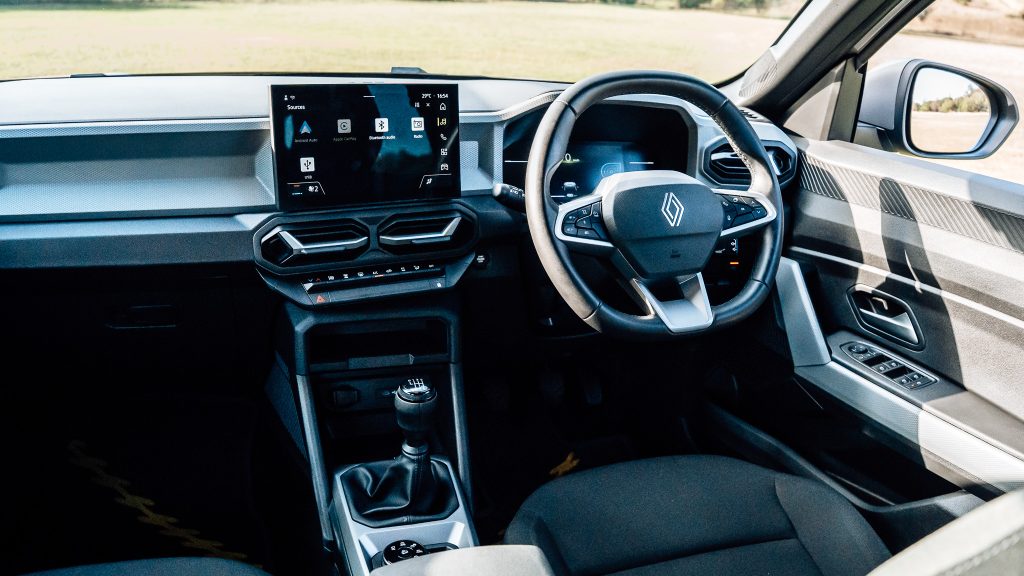
The dashboard is dominated by a 10.1-inch OpenR multimedia touchscreen with wireless Apple CarPlay and Android Auto integration. A 7-inch digital instrument cluster sits behind the multifunction steering wheel, replacing the previous analog dials. These screens represent a major leap forward in perceived quality and usability.
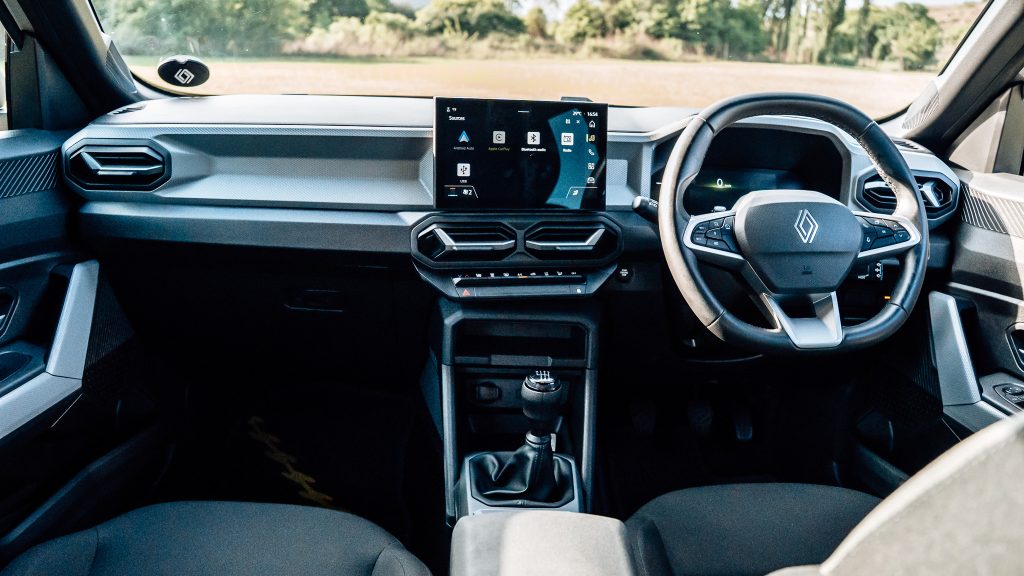
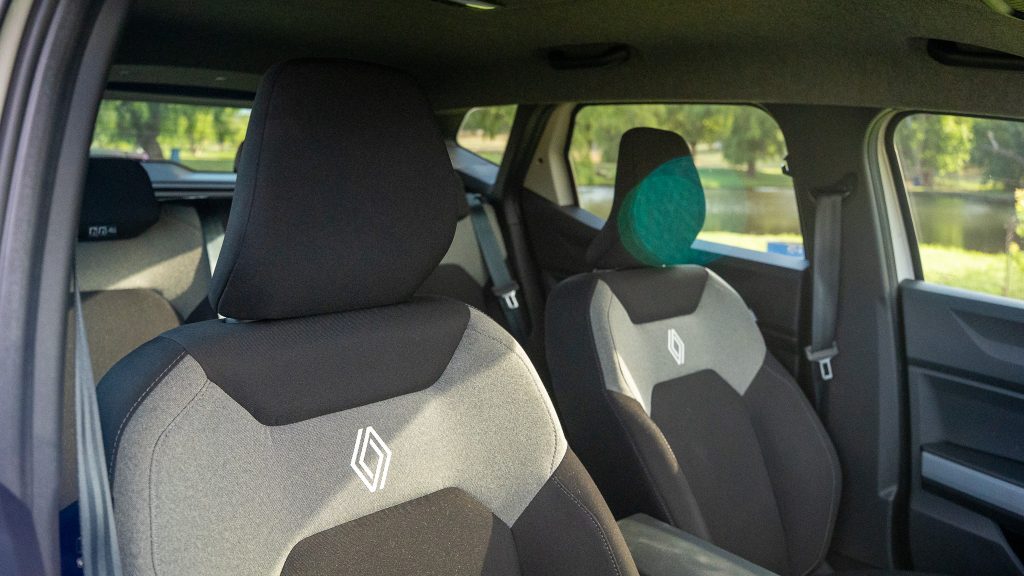
Y-shaped air vents complement the exterior lighting signature, while wireless smartphone charging adds modern convenience. The cloth seats in the Zen 4WD variant are comfortable enough for extended journeys, with generous headroom and legroom for both front and rear passengers—7mm more headroom than before makes a tangible difference for taller occupants.
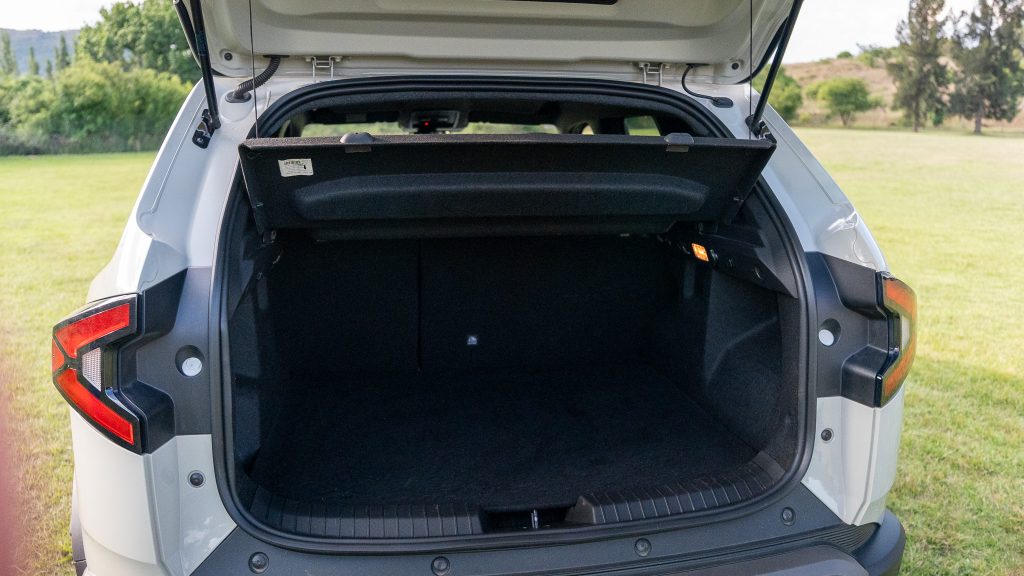
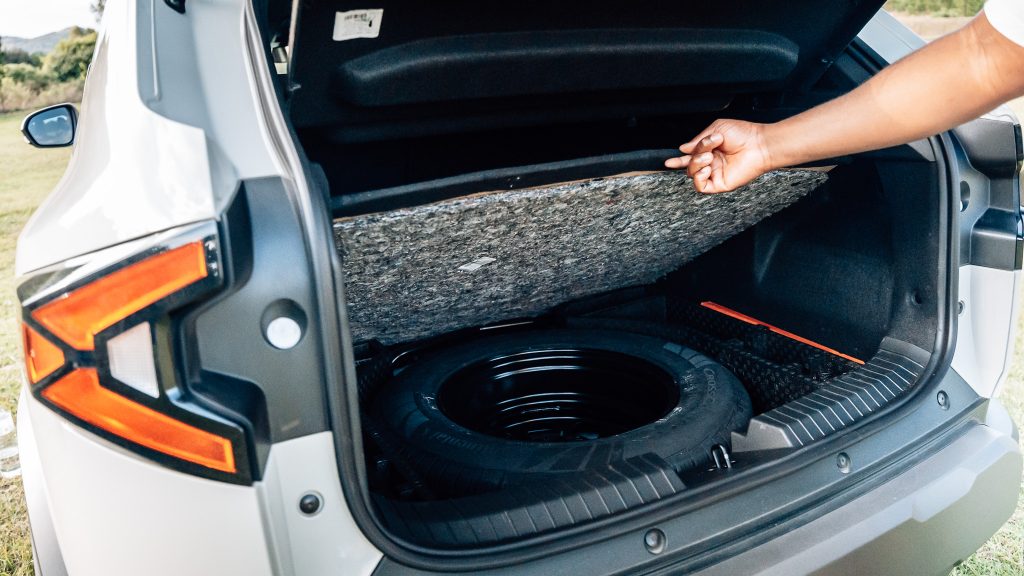
Storage solutions are scattered throughout the cabin, addressing the practical needs of families and adventure-seekers. The boot has grown by 30 litres to 444 litres with the rear seats up, expanding to a massive 1,696 litres when the 60/40-split rear bench is folded down. That’s enough capacity for camping gear, braai equipment, or a full Makro run. There’s also a neat full size spare wheel in there.
On the Road: Capable But Not Thrilling
During a week-long test that included urban commuting, highway cruising, and light off-road excursions near the Magaliesberg, the Duster 1.2T MHEV proved itself a competent all-rounder. The turbocharged three-cylinder engine delivers adequate performance for everyday driving, with the 230Nm of torque arriving low in the rev range to aid city manoeuvrability.
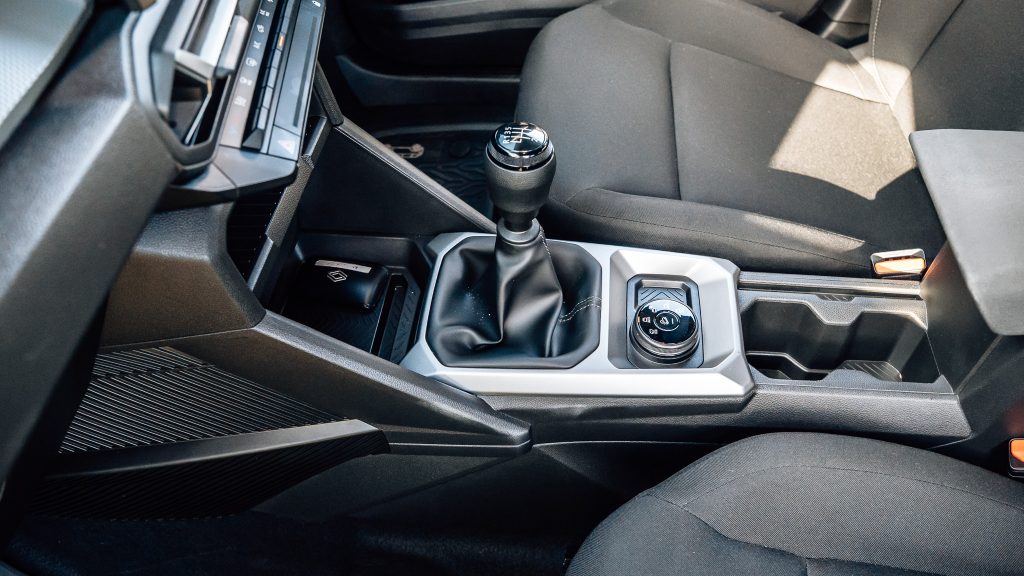
The mild-hybrid system provides a subtle but noticeable boost during acceleration, smoothing out the power delivery and reducing turbo lag. However, the six-speed manual gearbox requires commitment. This isn’t an automatic-equipped premium SUV where you can simply point and go. Gear changes demand deliberate inputs, and the clutch pedal travel is longer than some competitors. Only at the fourth and fifth gear do things seem pleasant.
On Gauteng’s highways, the Duster settles into a comfortable cruise, with wind and road noise well-suppressed for this price bracket. The 1.2-litre engine does work hard at higher speeds, with revs climbing noticeably when overtaking slower traffic. A seventh gear would help reduce engine speeds and potentially improve fuel economy on long-distance trips.
The suspension, made up of MacPherson struts up front and a multi-link setup at the rear, handles South Africa’s challenging road surfaces with composure. Potholes are absorbed without harsh impacts, while body roll remains controlled through corners despite the SUV’s 217mm ride height. The steering is light but lacks feedback, prioritising ease of use over engagement.
Technology and Safety Features
Standard equipment on the Zen 4WD includes rear parking sensors, a reversing camera, cruise control, and a tyre pressure monitoring system. These features address core safety and convenience needs without unnecessary complexity.
The 10.1-inch touchscreen responds promptly to inputs, though the interface isn’t as polished as premium competitors. Wireless smartphone connectivity works reliably, keeping devices charged during longer journeys. The digital instrument cluster provides clear information, though customisation options are limited compared to more expensive rivals.
Notable absences include advanced driver-assistance systems like adaptive cruise control, lane-keeping assist, and blind-spot monitoring—features increasingly common in this price range. Renault has focused on core functionality rather than the latest tech trends, which aligns with the Duster’s practical positioning but may disappoint buyers seeking cutting-edge safety features.
Value Proposition in a Changing Market
Priced at R549,999, the Duster 1.2T 6MT 4WD MHEV represents a R92,000 increase over the outgoing diesel range’s entry point. However, that comparison overlooks the improved specification, enhanced technology, and modernised design.
Against competitors like the Toyota Corolla Cross Hybrid (from R494,400), Chery Tiggo 7 Pro (R399,900–R609,900), and Suzuki Grand Vitara (from R465,000), the Duster occupies competitive territory. It’s the only option in this price bracket offering genuine 4WD capability with multiple terrain modes, giving it a unique position in the market.
All Duster models include a comprehensive ownership package: a 5-year/150,000km mechanical warranty and a 3-year/45,000km service plan with intervals of 12 months or 15,000km. This coverage provides peace of mind and helps preserve resale value—an important consideration for buyers who keep vehicles long-term.
This isn’t the most exciting SUV to drive, nor does it offer the latest driver-assistance features. What it does provide is honest capability, genuine practicality, and a level of ruggedness that’s increasingly rare in the crossover-dominated market.
2025 Renault Duster 1.2T 6MT 4WD MHEV Specifications:
Engine: 1.2-litre turbocharged 3-cylinder petrol + 48V MHEV
Power: 96kW (4,500-5,500 rpm)
Torque: 230Nm (2,000 rpm)
Transmission: 6-speed manual
Drivetrain: 4WD with 5 terrain modes
Fuel Consumption: 5.7 L/100km (claimed), 7.0 L/100km (tested)
0-100km/h: 10.5 seconds (tested)
Ground Clearance: 217mm
Approach Angle: 31 degrees
Boot Capacity: 444-1,696 litres
Towing Capacity: 1,500kg
Price: R549,999
Warranty: 5-year/150,000km
Service Plan: 3-year/45,000km


You might also like


More from Cars
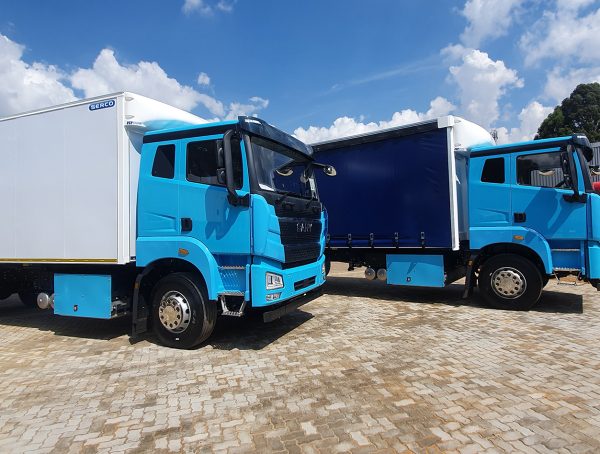
Serco and SANY Trucks Partner to Deliver Next-Electried Commercial Vehicles
Serco has successfully designed and manufactured rigid truck bodies for SANY Trucks' local electric vehicle range. The project, completed at …
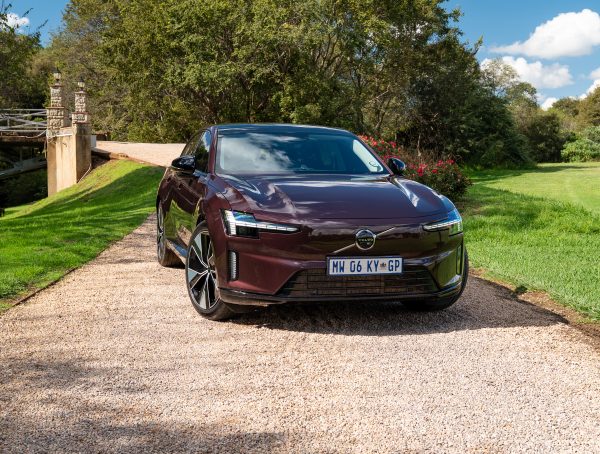
2026 Volvo ES90 Ultra Review: A Masterclass
There is a specific kind of composure that usually only exists in a high-end spa, like the Saxon, or an …

Your Car Belongs in Your Garage, Not on an Auction Floor

Repossession is a nightmare nobody wants to face, and believe it or not, your bank agrees. If you’re feeling the …