Repossession is a nightmare nobody wants to face, and believe it or not, your bank agrees. If you’re feeling the pinch in today’s economy, here is why being honest with your lender is the smartest move you can make to keep your car in your driveway.
The crunch of a slowing economy is hitting South African doorsteps hard. When household budgets are stretched to the breaking point, it’s easy to panic and make a choice that feels like a quick fix, like skipping a car payment to cover another bill. But that one missed payment can set off a chain reaction that ends with a tow truck in your driveway.
For most of us, a car isn’t just a way to get from A to B; it’s a lifeline to work, a way to get the kids to school, and a hard-earned badge of independence. The good news? The bank actually wants you to keep your keys.
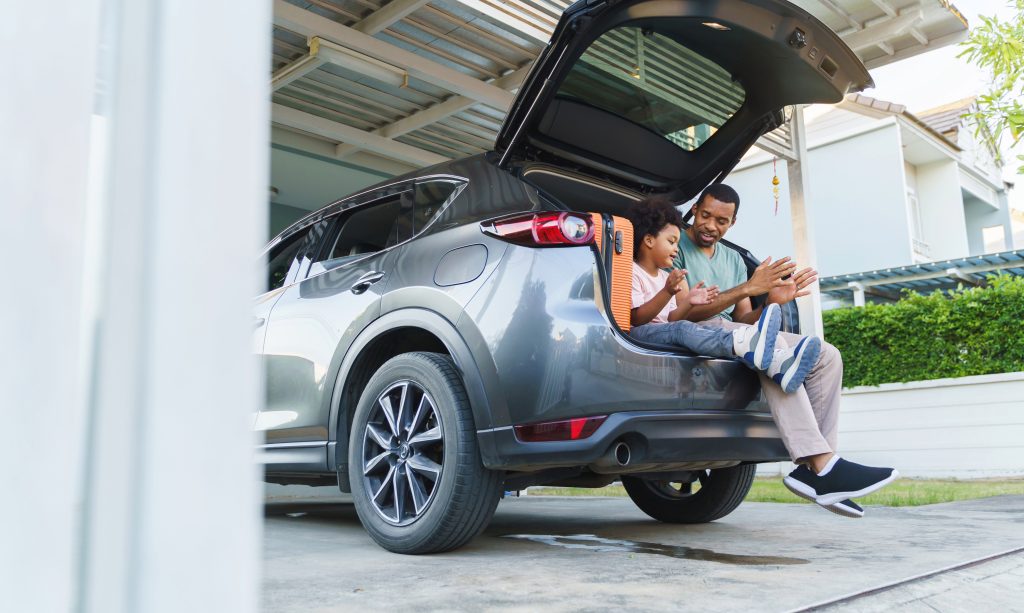
“We understand the true value of a vehicle and how it can represent so much more than a mode of transport to so many people, it is a symbol of their success and a means to mobility freedom to come and go as you please. As such, having one’s car repossessed is a traumatic experience,” says Lebogang Gaoaketse, Head of Marketing and Communication at WesBank.
The Power of Picking Up the Phone
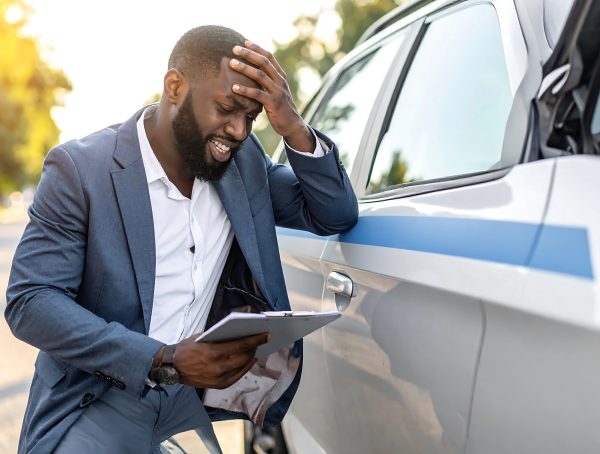
If you’re struggling to make ends meet, the worst thing you can do is go quiet. While it’s tempting to hide, honesty is your best defense. Finance houses view repossession as the absolute last resort, it’s a lose-lose situation for everyone involved.

According to Gaoaketse, the door is always open for a conversation. “Customers who can’t meet their vehicle repayment obligations due to financial challenges are encouraged to contact the bank as soon as possible to discuss potential alternative payment arrangements. Defaults on payments will always result in a consultation between the bank and the customer,” he explains.
Restructuring your debt or finding a new payment plan is often the first step in keeping your car right where it belongs.
Protecting Your Financial Future
It’s not just about the car; it’s about your reputation. Missing payments leaves a mark on your credit score that can haunt you for years, making it much harder to get a house or even a cell phone contract later on.

To stay in the clear, WesBank suggests a few practical moves:
- Prioritize the essentials: If money is tight, pay for your roof, your lights, and your transport first.
- Automate your life: Set up debit orders so you don’t accidentally forget a payment date.
- Look at refinancing: You might be able to lower your monthly installments or find a better interest rate to give your budget some breathing room.
- Consider a ‘downgrade’: If the math just doesn’t work anymore, selling the car yourself or switching to a more affordable model is a much better outcome than a forced repossession.
The Last Resort
Repossession only happens when every other bridge has been burned. The goal is to find a solution long before the legal teams get involved.
As Gaoaketse concludes: “It is important for customers to understand that creditors will only repossess a vehicle as a last resort if no other payment arrangement can be made. We always investigate and discuss all options available to our customers so they can make the repayments. It really is in everyone’s favour, at the end of the day, to keep the car in the customer’s garage, rather than on our auction floor”.

You might also like


More from Cars

Geely’s Riddara Electric Bakkie Priced for South Africa

Geely Auto South Africa has officially introduced Riddara, Geely Auto Group’s new-energy bakkie brand, to the South African market. The RD6 …

More Dealerships On The Cards For Volvo Cars South Africa
At an exclusive Volvo Cars Track Experience held at the internationally accredited multi-disciplinary Gerotek Testing Facilities located west of Pretoria …
Things Took a Left Turn When I Joined Jetour At Its KZN Festival
That headline might be a little dramatic because things took a left turn for the better when Jetour invited me …