Understand how the SARB’s repo rate directly impacts your car loan payments. As part of our ongoing content series with WesBank, we break down the crucial differences between fixed and linked interest rates to show you how making an informed choice could save you thousands.
In the world of finance, headlines about the South African Reserve Bank (SARB) changing the “repo rate” can feel distant and complex. But what if you knew that this single economic lever could directly impact the monthly payment on your car, potentially saving you thousands over time? Following a series of rate cuts by the Reserve Bank throughout 2025, leading vehicle finance provider WesBank has offered crucial insights that every car owner and prospective buyer should understand.
The Ripple Effect: From the Reserve Bank to Your Bank Account
Before we dive into the specifics of your car loan, let’s quickly clarify the key terms. Think of the repo rate as the interest rate at which the SARB lends money to commercial banks like WesBank. When this rate goes down, it becomes cheaper for banks to borrow money.
This change has a direct ripple effect on you, the consumer, through the prime interest rate; the rate banks use as a baseline to price their loans. A lower repo rate typically leads to a lower prime rate, which can translate into reduced loan repayments. Conversely, when the repo rate increases, borrowing becomes more expensive for banks, and those costs are often passed on to consumers through higher interest on their loans. This mechanism is one of the primary tools the SARB uses to manage factors like inflation, affecting the finances of nearly every citizen.
“Understanding how it works empowers consumers to make informed decisions when purchasing or managing their car loans,” explains Lebo Gaoaketse, Head of Marketing and Communication at WesBank.
The Crossroads of Choice: Fixed vs. Linked Interest Rates
When you sign a vehicle finance agreement, you are generally presented with two main options for your interest rate structure. Your choice here will determine how these national economic shifts affect your personal budget.

1. The Steady Path: The Fixed Interest Rate
Just as its name implies, a fixed interest rate agreement locks in your rate for the entire duration of the loan. This means your monthly repayment amount will remain exactly the same from your first instalment to your last, regardless of whether the repo rate goes up or down.
- The upside: This option offers stability and complete predictability, making budgeting simple and protecting you from future rate hikes.
- The consideration: Fixed rates might start off slightly higher than their linked counterparts, but they are an excellent choice in a low-interest-rate environment, allowing you to secure a favourable rate for years to come.
2. Riding the Wave: The Linked Interest Rate
A linked interest rate ties your loan directly to the prime lending rate. As the prime rate moves up or down in response to the SARB’s repo rate changes, your monthly repayment will adjust accordingly.
- The upside: During periods of falling interest rates, you directly benefit from lower monthly payments. If rates are high when you take out the loan, this option offers the potential for financial relief if they later decrease.
- The consideration: This path carries more risk, as your repayments will increase if the repo rate goes up. Your monthly instalments will fluctuate along with broader economic trends.
“Choosing between fixed and linked interest rates depends on your financial situation and appetite for risk,” advises Gaoaketse.
The Numbers Don’t Lie: A Real-World Example
To see how this plays out, WesBank provides a clear illustration based on a vehicle loan of R300,000 over a 72-month term.
- With the recent prime rate drop to 10.5%, the monthly repayment on a linked loan would be around R5,725.
- Before the cut, when the rate was just 0.5% higher, the payment would have been R5,802.
While a monthly saving of R77 might seem modest, it adds up. Over the full six-year term of the loan, that small change results in a total saving of R5,532. For customers on a fixed rate, however, their payment would remain unchanged by this rate cut.
Your Action Plan: Taking Control of Your Vehicle Finance
Whether you are an existing owner or in the market for a new car, WesBank encourages you to be proactive.

- Review Your Agreement: The first step is to understand what you currently have. Is your interest rate fixed or linked?
- Budget for Change: If your loan is linked, it is wise to budget for potential fluctuations. Your payment could go up as well as down.
- Explore Your Options: If you are in a lower interest rate environment, it might be a good time to explore refinancing your loan to save money.
- Seek Expert Advice: Don’t hesitate to speak with a financial consultant to get personalised advice for managing your loan through changing economic conditions.
Ultimately, interest rates are a fundamental part of our economic landscape, and your car loan is directly connected to them. By understanding the difference between a fixed and linked agreement, you can confidently navigate your financial journey and make the choice that best aligns with your goals.

You might also like



More from Cars
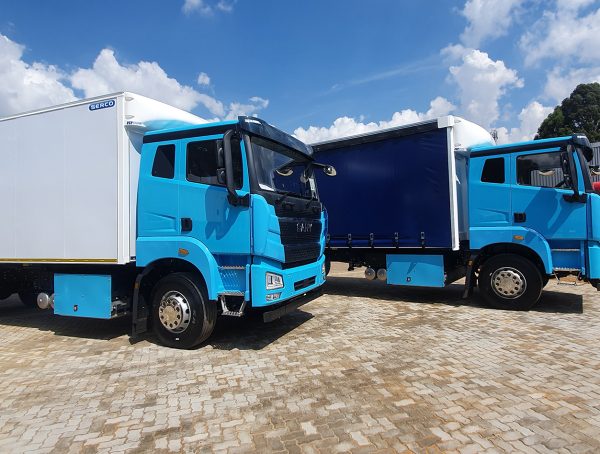
Serco and SANY Trucks Partner to Deliver Next-Electried Commercial Vehicles

Serco has successfully designed and manufactured rigid truck bodies for SANY Trucks' local electric vehicle range. The project, completed at …
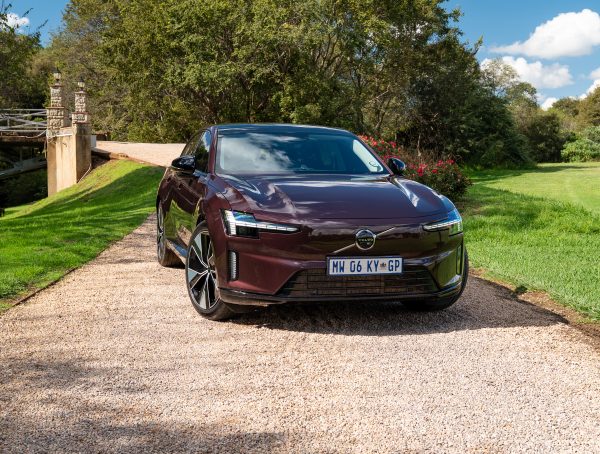
2026 Volvo ES90 Ultra Review: A Masterclass
There is a specific kind of composure that usually only exists in a high-end spa, like the Saxon, or an …

Audi Just Fixed the A1 Range: Pricing And Features
Audi South Africa has shaken up its most popular compact hatch lineup, introducing a new S line derivative to the …