Volvo Cars is currently rolling out what it describes as one of the largest over-the-air (OTA) software updates in automotive history. The rollout, which spans 85 countries, aims to standardize the user experience across roughly 2.5 million vehicles. By bringing a modernized interface to models dating back as far as 2020, Volvo is effectively attempting to erase the generational gap between its older internal combustion fleet and its newest flagship EVs like the EX90 and ES90.
The core of this update is a complete redesign of the Volvo Car UX, which is built on the Android Automotive operating system. Volvo’s primary objective with the new layout is a reduction in “tap fatigue.”
Real-world research conducted by the automaker suggested that drivers were spending too much time menu-diving for basic functions, so the new interface promotes high-use apps like maps, media, and phone controls directly to the home screen.
In practice, this means a driver following Google Maps navigation no longer needs to exit the map view to adjust a music playlist or answer a call. These functions now live in a persistent space, allowing for a more seamless multitasking experience that mirrors modern smartphone interactions rather than traditional, clunky automotive infotainment.
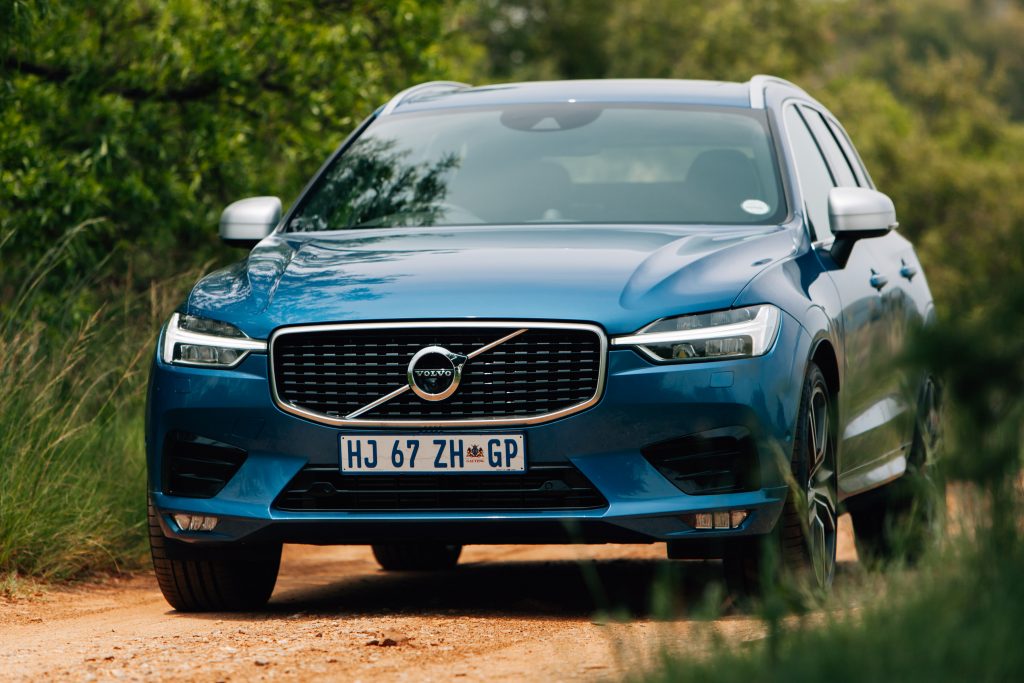
A significant addition to the interface is a new “contextual bar.” This dynamic menu changes its shortcuts based on the vehicle’s current state. For instance, if the car is moving at low speeds, a camera icon will automatically appear on the bar to assist with parking or tight maneuvers.
For owners of Volvo’s plug-in hybrid (PHEV) models, the update adds a dedicated “Drive Modes” shortcut to the home screen. This allows drivers to toggle the “Pure” electric-only mode with a single tap. Previously, switching power sources often required navigating through several settings layers, and this change is designed to encourage PHEV owners to utilize their electric range more effectively during short commutes.
Perhaps the most forward-looking aspect of this update is the preparation for Google Gemini. Volvo has confirmed that this software refresh lays the groundwork for a conversational AI experience powered by Gemini, which is scheduled to arrive on these same eligible vehicles later this year, around September/October. This move suggests that Volvo is leaning into the idea that a car’s cabin should function as an evolving smart space rather than a static piece of hardware.
Furthermore, Volvo is using this OTA event to test a new digital revenue stream. Customers whose vehicles were not originally equipped with the “Pilot Assist” driver assistance feature will now have the option to purchase and download the software directly to their cars, provided they have the necessary integrated hardware.
The update is free of charge and applies to all Volvo models equipped with Google built-in.


You might also like


More from Cars

The Four Questions Every Car Buyer Should Ask Before Signing

A new car is a major milestone, but long-term costs can surprise you. This guide covers four essential questions to …
GWM’s New Haval H6 PHEV Arrives With 1000km Range And R699K Price
The South African automotive landscape is seeing a tactical shift as manufacturers look for the "sweet spot" between pure internal …

The Real Reason Electric Vehicles Are Failing in South Africa And How To Fix It
High taxes and rapid depreciation have stalled South Africa's EV demand. Here is how finance models like GFV and a …