For nearly fifteen years, Lexus GX owners in North America and the Middle East have enjoyed what many consider the brand’s most capable SUV. South Africa, however, was never part of that conversation. The third-generation model changed that calculus entirely, bringing both left and right-hand drive to global markets for the first time.
After a week with the Lexus GX 550 SE priced at R1 829 000, I discovered why this body-on-frame luxury people mover, for lack of a better classification, feels oddly at home among Hyde Park’s collection of Land Cruiser Prados, Defenders, and its own Lexus siblings.
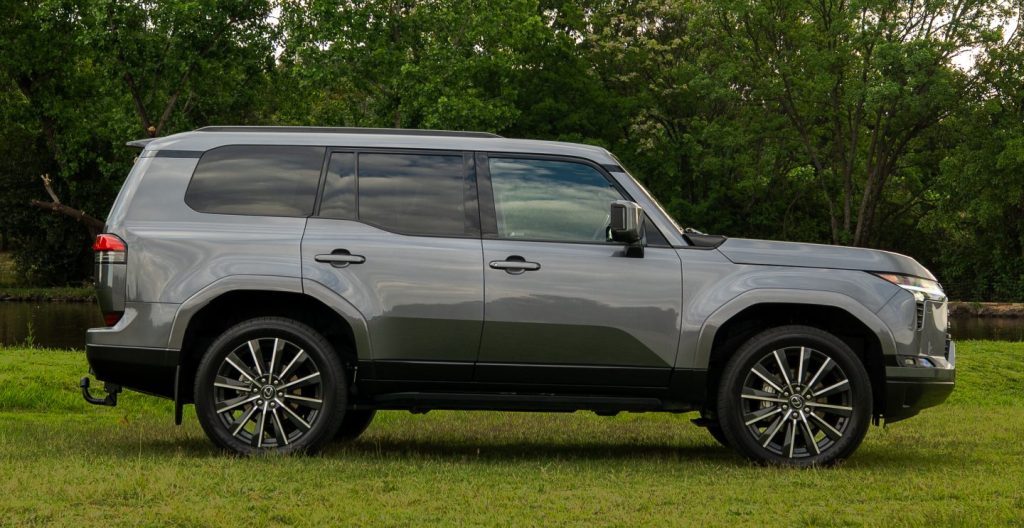
The question that lingered throughout my seven-day test wasn’t whether the GX could justify its premium positioning, that much became apparent within the first few hours. Rather, I wondered whether Lexus had timed its entrance correctly, or if this V6-powered luxury off-roader arrived just as South Africa’s appetite for thirsty petrol engines began to wane.
Specifications and Positioning
The Lexus GX 550 Overtrail is priced at R1,766,000, while the more luxurious seven-seater SE variant retails at R1,829,000. Both derivatives share the same mechanical foundation but diverge sharply in character and purpose.
Key GX 550 Overtrail Specifications:
- Engine: 3.5-litre twin-turbocharged V6 petrol producing 260kW and 650Nm
- Transmission: 10-speed automatic
- Drivetrain: Full-time four-wheel drive with Torsen locking center differential
- Platform: TNGA-F body-on-frame (shared with Toyota Land Cruiser Prado)
- Seating: Five seats (Overtrail) or seven seats (SE)
- Ground clearance: Approximately 221mm
- Tyres: 265/70 R18 all-terrain on dark grey 18-inch wheels
- Warranty: Seven years/100,000km maintenance plan and warranty
- Fuel consumption: Claimed 12.5L/100km combined (reality proved somewhat different)
First Impressions: A Bold Departure
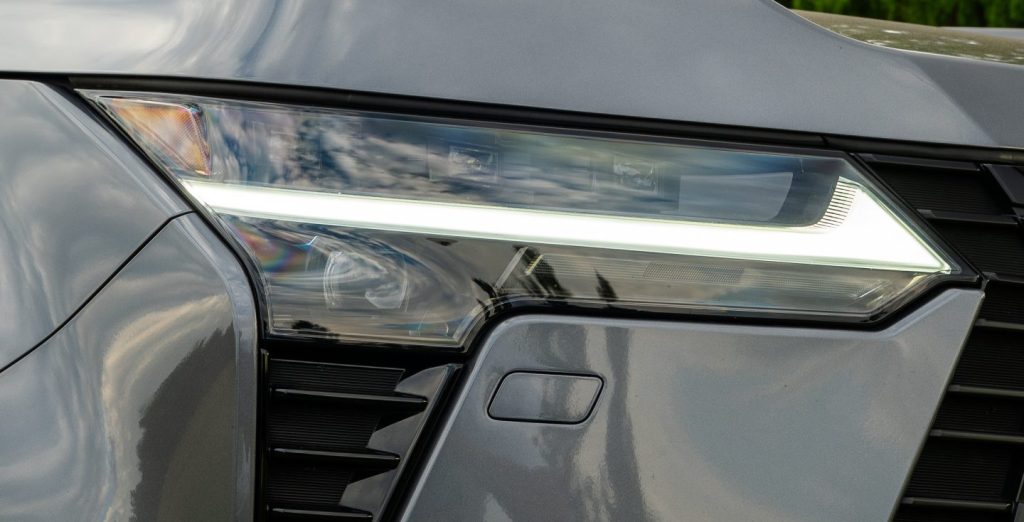
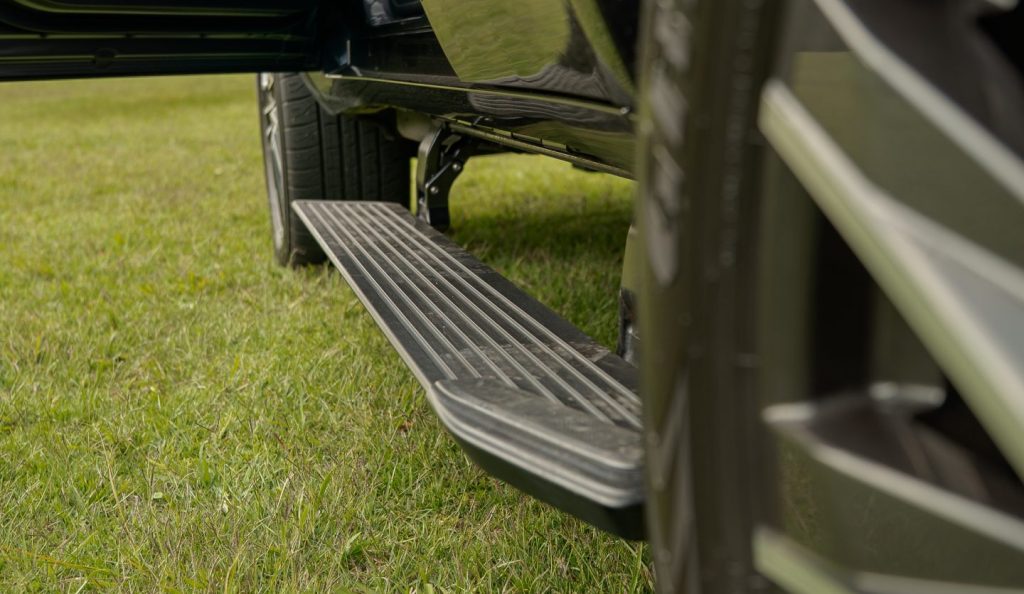
As soon as the Lexus GX was delivered to our driveway, I was immediately struck by how dramatically different it looks from its Prado platform-mate. Where Toyota opted for evolutionary refinement, Lexus chose revolution. The squared-off bonnet, aggressive spindle grille, and beefed-up black roof rails and automatic side sills create an imposing presence that somehow avoids crossing into ostentation.

The muscular, angular bodywork feels purpose-built rather than styled, with protective plastic cladding on lower body panels hinting at genuine off-road intent. This isn’t simply a luxury SUV playing dress-up in adventure gear, although admittedly, most GX owners will probably never test those capabilities beyond speed bumps and gravel driveways. Or the annual trip to the Kruger, really.
Navigating out of Sandton and toward Hyde Park, the GX’s size became immediately apparent. At just over three tonnes, this is a substantial vehicle, and while the light steering helps manoeuvrability, there’s no disguising the heft when threading through Johannesburg’s chaotic traffic. Yet somehow, it never feels unwieldy. The tight turning circle for such a large SUV means parking in Hyde Park’s boutique shopping centres proved less stressful than anticipated.
Living in Hyde Park: Among Its Natural Habitat
Hyde Park, for the uninitiated, represents perhaps Johannesburg’s highest concentration of premium SUVs per capita. Within a single block, you’ll find new Defenders parked alongside Land Cruiser 300s, with the occasional G-Class or Range Rover thrown in for good measure. Don’t even get me started about the odd Porsche and Lamborghini SUV. The GX 550 SE fit seamlessly into this automotive ecosystem, drawing appreciative nods from fellow luxury SUV owners who recognised its rarity and capability.
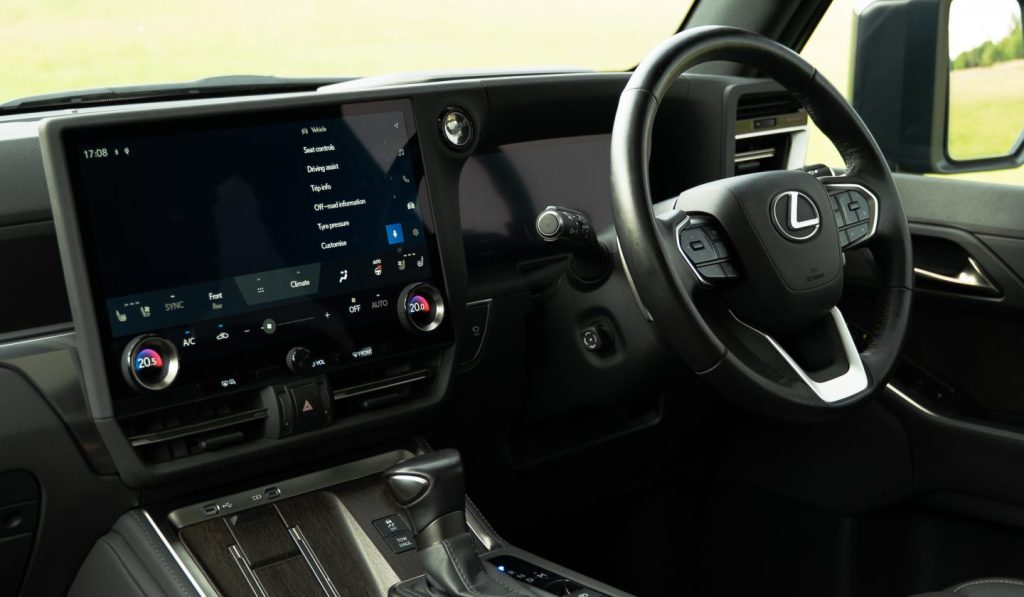
During school runs and coffee shop visits, the GX revealed its dual nature. The cabin, upholstered in durable NuLuxe faux-leather appropriate for both adventure and everyday luxury, struck a sensible balance between premium appointments and practical durability. The 12.3-inch digital instrument cluster and 14-inch central touchscreen running Lexus’s Interface system felt modern and intuitive, though I noted a slight learning curve for some functions that still relied on physical buttons scattered throughout the dashboard.
Apple CarPlay and Android Auto integration work wirelessly, a detail that seems minor until you experience the convenience daily.
The Mark Levinson audio system on higher trims delivers impressive sound quality, though even the standard setup proved more than adequate. The heads-up display projects key information at an appropriate height and brightness, never feeling intrusive or overwhelming.
Safety technology includes adaptive cruise control, blind spot monitoring, lane keeping assist, and pre-collision system—all functioning unobtrusively and proving genuinely useful in Johannesburg’s often-chaotic traffic conditions. The pre-collision system, in particular, offered several timely warnings when inattentive drivers suddenly braked or changed lanes without signaling.
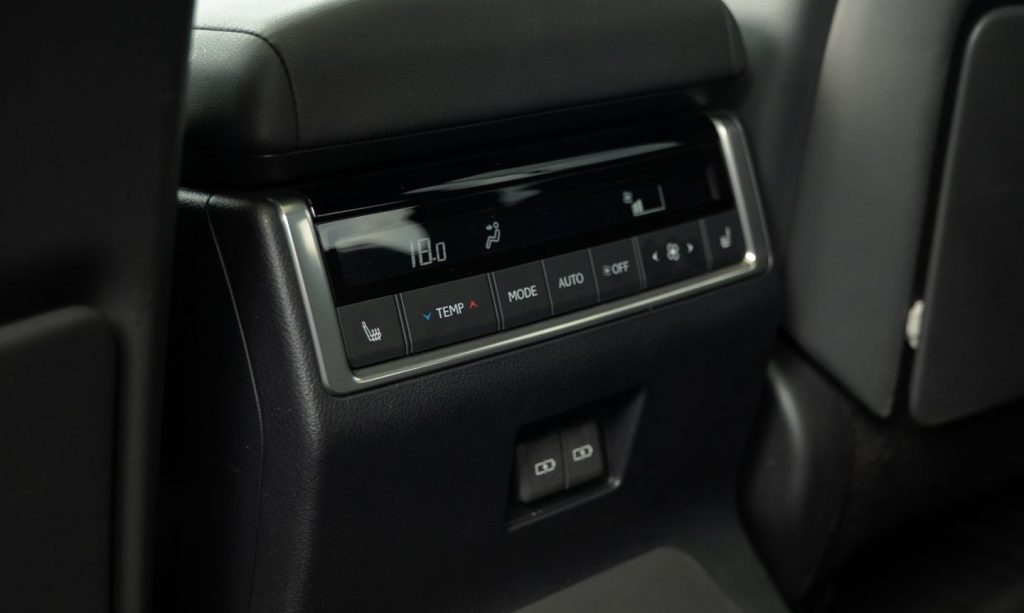
Three-zone climate control kept all occupants comfortable during our late spring weather, while heated and ventilated front seats (with massage function) proved genuinely useful rather than mere checkbox features. The massage function, in particular, became a welcome companion during longer drives through Johannesburg’s increasingly congested streets.
Storage solutions abound throughout the cabin: multiple USB-C ports, sizeable door bins, and a useful centre console. The load bay offers a claimed 1 063 litres with the second row in place, expandable by folding those seats forward. For daily duties hauling groceries, gym bags, and the occasional furniture purchase, the GX proved more than adequate.
The V6 Question: Power and Consumption
The twin-turbocharged 3.5-litre V6 delivers 260kW and 650Nm through a 10-speed automatic transmission, representing a significant departure from the Prado’s diesel powerplant. This engine choice defines the GX’s character more than any other single factor. Althought not for the better, I’m afraid.
Around town, the V6 feels smooth and refined, with power delivery that’s somewhat instant once the turbos spool up. There’s a hint of lag from a standing start, likely attributable to the weight and perhaps some low-end hesitancy from the transmission, but once momentum builds, the GX feels effortlessly capable. Overtaking on William Nicol or the M1 highway requires merely a flex of the right foot, and the 10-speed gearbox intelligently shuffles through ratios to keep the engine in its sweet spot.
The sound, when you push it, is glorious. There’s something deeply satisfying about a proper six-cylinder engine at full chat, even if some of that aural character feels artificially enhanced through the speakers. In daily driving, though, the GX remains impressively quiet, with wind and road noise well-suppressed.
The elephant in the room, however, is fuel consumption. Lexus claims 12.5L/100km combined, but reality painted a thirstier picture. During my week of typical Johannesburg driving which consists of a mix of highway commutes, suburban errands, and stop-start traffic, the GX averaged closer to 15-16L/100km. That’s hardly economical in an era of rising fuel prices, and it’s a figure that will give fleet managers and budget-conscious buyers genuine pause. Oh, and the range? Sub 400km on a full tank is not a good look at all.
For context, the Toyota Prado’s diesel returns roughly half that consumption, making it the more sensible choice for high-mileage operations. Yet there’s an intangible quality to the V6’s refinement that diesel can’t match, particularly in a vehicle wearing a Lexus badge.
Ride and Handling: Hydraulic Magic
The most impressive aspect of the Lexus GX 550 SE revealed itself over South Africa’s varied road surfaces. Despite riding on chunky all-terrain tyres and retaining a body-on-frame construction, the GX delivers a surprisingly smooth ride quality that rivals many unibody luxury SUVs.
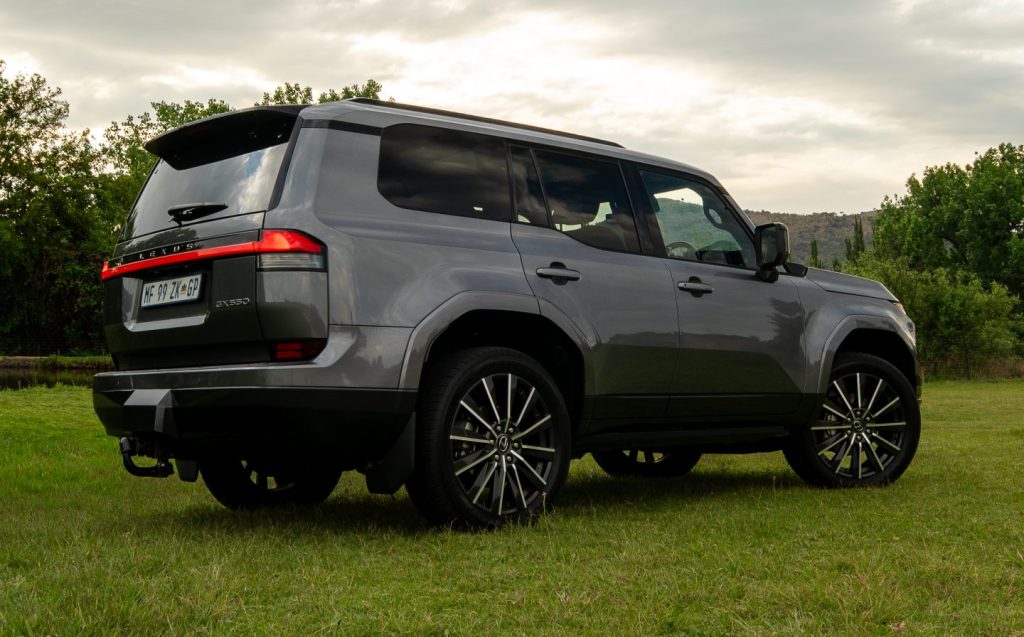
Lexus achieves this through hydraulic suspension rather than air springs, a choice that pays dividends in both on-road comfort and off-road capability. The system soaks up Johannesburg’s notorious potholes with remarkable composure, never crashing over harsh impacts or feeling floaty through corners. There’s more body roll than you’d find in a BMW X5 or Mercedes GLE, certainly, but it’s well-controlled and predictable.
The road focused tyres make their presence known in a ride that feels smooth like butter.
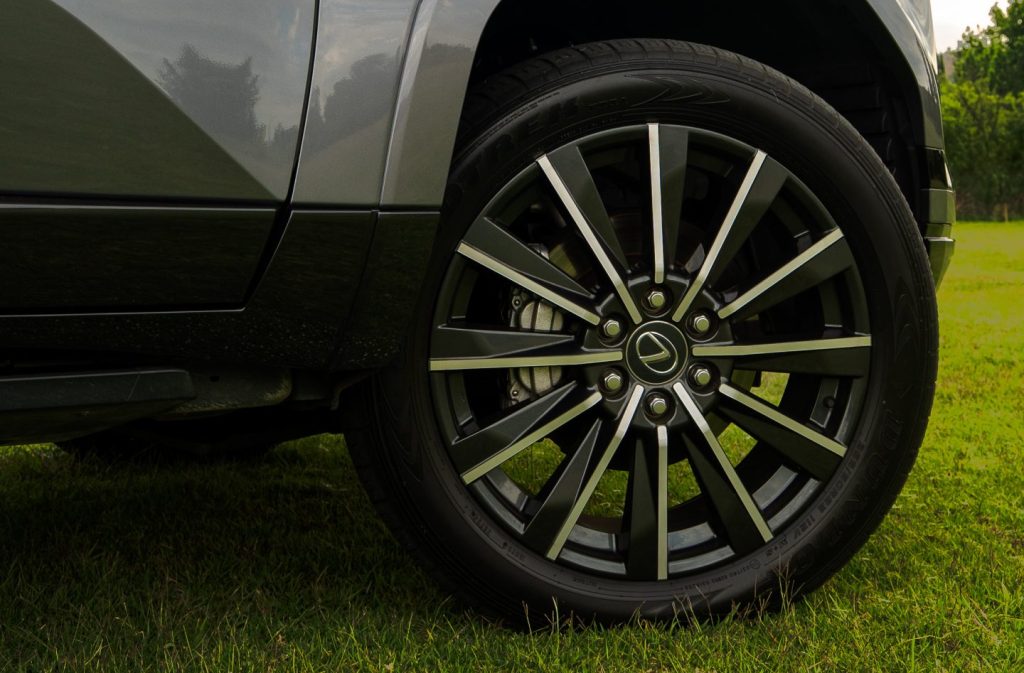
Steering is light, perhaps too light for enthusiastic driving, but appropriately weighted for a three-tonne SUV primarily designed for comfort and capability rather than canyon carving. Turn-in is predictably lazy, with the GX’s height and mass making themselves known, but once settled into a corner, grip levels from both the all-terrain tyres and full-time four-wheel-drive system prove impressive.
Muldersdrift Adventure: Testing Off-Road Intent
The highlight of my week came on a Saturday drive out to Muldersdrift, where I could finally explore some of the GX’s off-road capabilities away from Hyde Park’s manicured streets. The route took us through a mix of gravel roads, modest rocky sections, and one particularly challenging rutted track that would have given a typical luxury SUV serious pause.
Engaging the Multi-Terrain Select system which offers six modes including Rock, Rock & Dirt, Mogul, Loose Rock, Mud & Sand, and Auto, the GX transformed from refined urban cruiser to confident off-roader. The lockable rear differential and E-KDSS system work together to maximise traction and articulation, allowing the GX to clamber over obstacles that would require careful line selection in lesser vehicles.
The Crawl Control with Turn Assist manages throttle, brake inputs, and steering responsiveness at low speeds, essentially providing an off-road cruise control that lets you focus solely on steering while the vehicle handles everything else. It’s not a feature I’d need regularly, but its effectiveness impressed nonetheless.
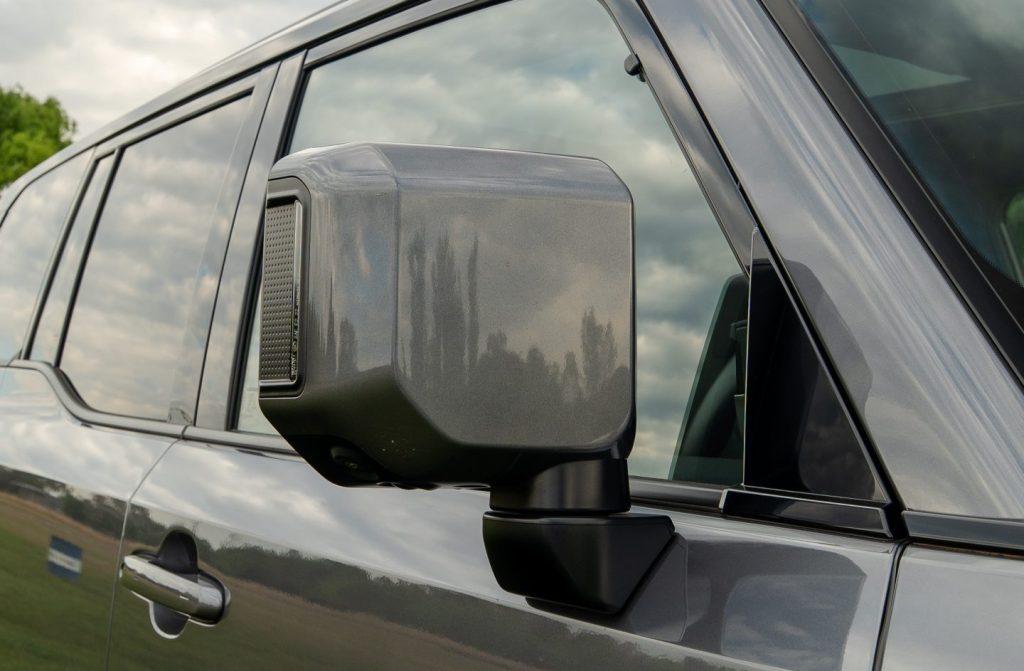
More useful was the Multi-Terrain Monitor which is essentially a 360-degree camera system with transparent wheel placement visualisation. When navigating tight sections between rocks or positioning wheels on specific lines, this system proved invaluable. The cameras’ resolution could be sharper, but functionality trumps pixel count when you’re trying to avoid panel damage.
Ground clearance of approximately 221mm, combined with robust underbody protection, meant I never heard concerning scrapes or thuds despite deliberately choosing challenging routes. The GX inspired genuine confidence in ways that most luxury SUVs simply cannot match.
The Competition: Where Does It Fit?
At R1 829 000, the GX 550 SE positions itself among serious competition. The Toyota Land Cruiser Prado costs considerably less while offering similar capability (albeit with diesel power and less luxury). The Land Rover Defender 110 in comparable specification runs slightly more expensive, though it offers distinctive styling and arguably more authentic heritage. BMW’s X5, Audi’s Q7, and Mercedes-Benz’s GLE-Class all play in this price range, though none can match the GX’s body-on-frame ruggedness and genuine off-road capability.
The GX makes its case through a combination of factors: Lexus reliability and build quality, genuine off-road hardware that most competitors can’t match, and a level of refinement that diesel alternatives struggle to achieve. Whether that equation justifies the premium depends entirely on your priorities.
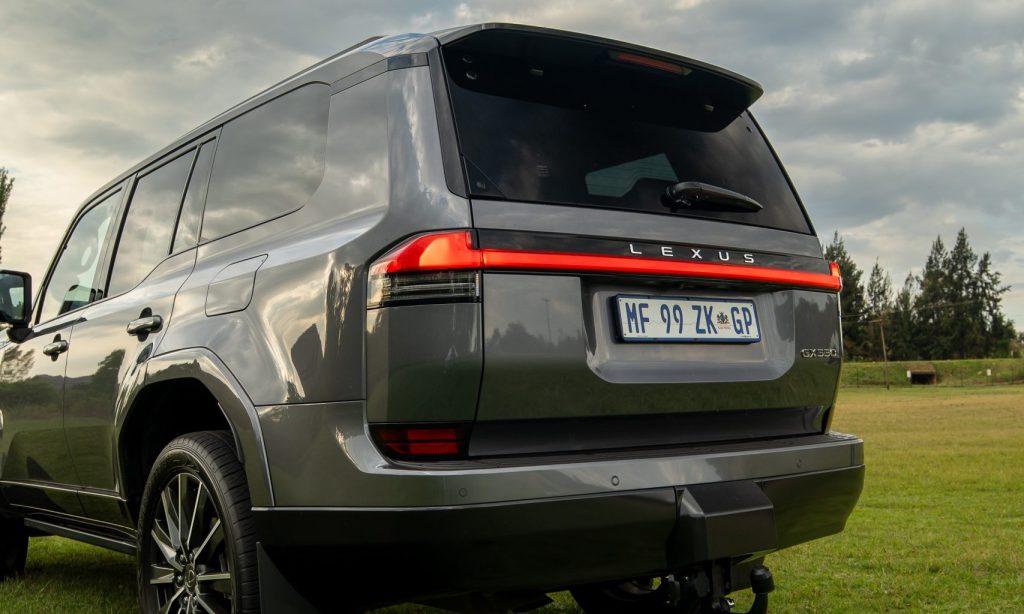
For families who genuinely venture off paved roads, the GX delivers capability that luxury crossovers simply cannot match. For those seeking maximum practicality and economy, the Prado makes more sense. For buyers wanting distinctiveness combined with genuine capability, few alternatives exist.
Seven Days Later: Final Thoughts
Returning the GX 550 SE after a week in Johannesburg, I found myself surprisingly reluctant to hand back the keys. This wasn’t the vehicle I expected to love; body-on-frame SUVs with thirsty petrol engines feel decidedly out of step with current automotive trends. Yet the GX’s combination of genuine capability, surprising refinement, and undeniable presence created an experience that transcended spec-sheet rationality.
In Hyde Park, surrounded by other premium SUVs, the GX never felt out of place despite being the newest nameplate in Lexus’s lineup. Its bold styling aged well over the week, never feeling like it was trying too hard or would quickly date. The interior quality and attention to detail matched expectations for the Lexus badge, while the driving experience delivered more engagement than anticipated from what’s essentially a luxury truck.
The fuel consumption remains a genuine concern, particularly for buyers covering significant distances. At 15-16L/100km in real-world conditions, running costs will exceed many competitors. Yet there’s something to be said for the V6’s refinement, the instant power delivery, and the surprisingly engaging character it brings to the driving experience.
For the right buyer, someone who appreciates genuine capability even if rarely fully utilized, values Lexus quality and reliability, and can stomach the fuel bills, the GX 550 Overtrail makes a compelling case. It’s not the rational choice, certainly not the economical one, but it delivers an ownership experience that few alternatives can match.
In a market dominated by unibody crossovers masquerading as SUVs, there’s something refreshingly honest about the GX’s approach. It doesn’t pretend to be something it’s not. It’s a proper body-on-frame SUV with genuine off-road credentials, wrapped in luxury and refinement that makes it equally at home on Hyde Park’s streets as on Muldersdrift’s trails.
“I really want to drive this SUV some more” isn’t a phrase I expected to utter about a three-tonne petrol-powered body-on-frame truck. Yet here we are.


You might also like


More from Cars

A Guide to Car Ownership for Single-Income Households

Learn how to buy a car on a single income without breaking the budget. Expert tips on calculating total costs, …

What Every South African Should Know Before Buying a Used Car in 2026
With interest rates down and inflation at historic lows, South Africa's used car market has hit its sweet spot. Here's …

Tata Motors To Launch Nexon And Sierra SUVs In South Africa During 2026
Tata Motors South Africa will expand its local model range in 2026 with two new SUVs: the Nexon compact crossover …