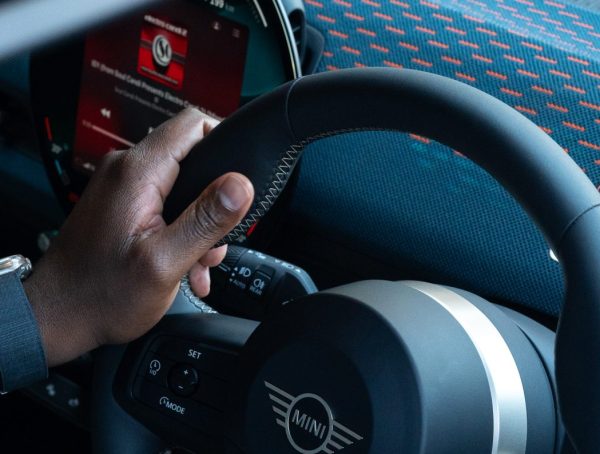
A few months into our long-term test with the Melting Silver III MINI Aceman S, we’ve moved beyond the initial excitement of the design and interior tech to focus on something arguably more important: safety.
Modern cars are loaded with driver assistance systems while some are useful, some intrusive, and some you forget exist until they save you from an embarrassing (or dangerous) moment. The Aceman comes equipped with a comprehensive suite of safety features as standard, with additional systems available through upgrades.
On local roads, where taxis make unexpected manoeuvres, potholes appear without warning, and pedestrians cross highways with alarming regularity, these systems aren’t just nice-to-haves, they’re genuinely useful. Here’s what we’ve learned about living with the Aceman’s safety technology in real-world Johannesburg conditions.

The Foundation: Comprehensive Sensor Array
Every MINI Aceman comes equipped with twelve ultrasonic sensors and four Surround View cameras providing 360-degree awareness. This hardware powers everything from parking aids to collision warnings, and it’s proven reliable even in challenging South African conditions.
The system includes forward collision warning with automatic emergency braking, lane keeping assist, active blind spot detection, rear collision prevention, exit warning, parking sensors all around, and adaptive cruise control with stop-and-go capability.
It’s a comprehensive suite that puts the Aceman on par with much more expensive vehicles.
Real-World Performance: What Actually Helps
The standout performer has been blind spot monitoring. In Johannesburg’s dense traffic, the visual indicators in the mirrors combined with steering wheel vibrations when changing lanes have genuinely saved us from dodgy manoeuvres multiple times. You know, the taxis. Motorcycles and small cars slip into blind spots constantly, and having that extra awareness is invaluable.
Forward collision warning has proven useful, though it required adjustment. Out of the box, it was too sensitive, triggering false alarms in heavy traffic. We dialled back the sensitivity in the settings menu, which reduced unnecessary warnings whilst keeping the system effective for genuine hazards. It’s alerted us to sudden stops and unexpected obstacles more than once.
Lane keeping assist provides gentle steering input to keep you centred in your lane. On well-maintained highways like the N1, it works seamlessly. On older roads with faded markings, it struggles—but crucially, it disengages gracefully rather than fighting with you. It’s unobtrusive enough that you barely notice it working, which is exactly how this technology should behave.

The adaptive cruise control has been a revelation on longer trips like our Parys run. Set your speed and following distance, and the car handles the rest – braking smoothly for slower traffic, accelerating when the road clears. It significantly reduces fatigue on highway drives where traffic flow is inconsistent.
Exit warning deserves special mention. It monitors for approaching vehicles or cyclists when you’re about to open doors, providing visual and audible alerts. We’ve had several instances where it warned us about motorcycles we hadn’t spotted, potentially preventing dangerous door-strike incidents.


You might also like


More from Cars
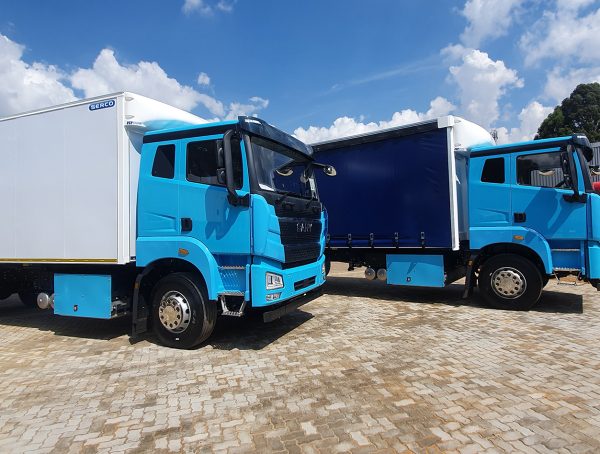
Serco and SANY Trucks Partner to Deliver Next-Electried Commercial Vehicles
Serco has successfully designed and manufactured rigid truck bodies for SANY Trucks' local electric vehicle range. The project, completed at …
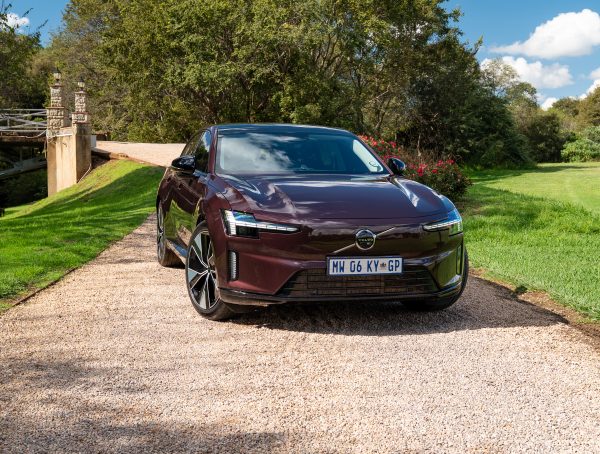
2026 Volvo ES90 Ultra Review: A Masterclass
There is a specific kind of composure that usually only exists in a high-end spa, like the Saxon, or an …

Your Car Belongs in Your Garage, Not on an Auction Floor

Repossession is a nightmare nobody wants to face, and believe it or not, your bank agrees. If you’re feeling the …