Sony Electronics has officially announced the sixth generation of its high-resolution flagship line, the Sony Alpha 7R VI. Breaking away from the traditional constraints of high-megapixel sensors, the new model introduces a stacked architecture to the “R” series for the first time.
By pairing an approximately 66.8-megapixel fully-stacked Exmor RS CMOS sensor with a new BIONZ XR2 processing engine, Sony has effectively transformed its studio and landscape specialist into a high-speed action machine capable of blackout-free continuous shooting at up to 30 frames per second.
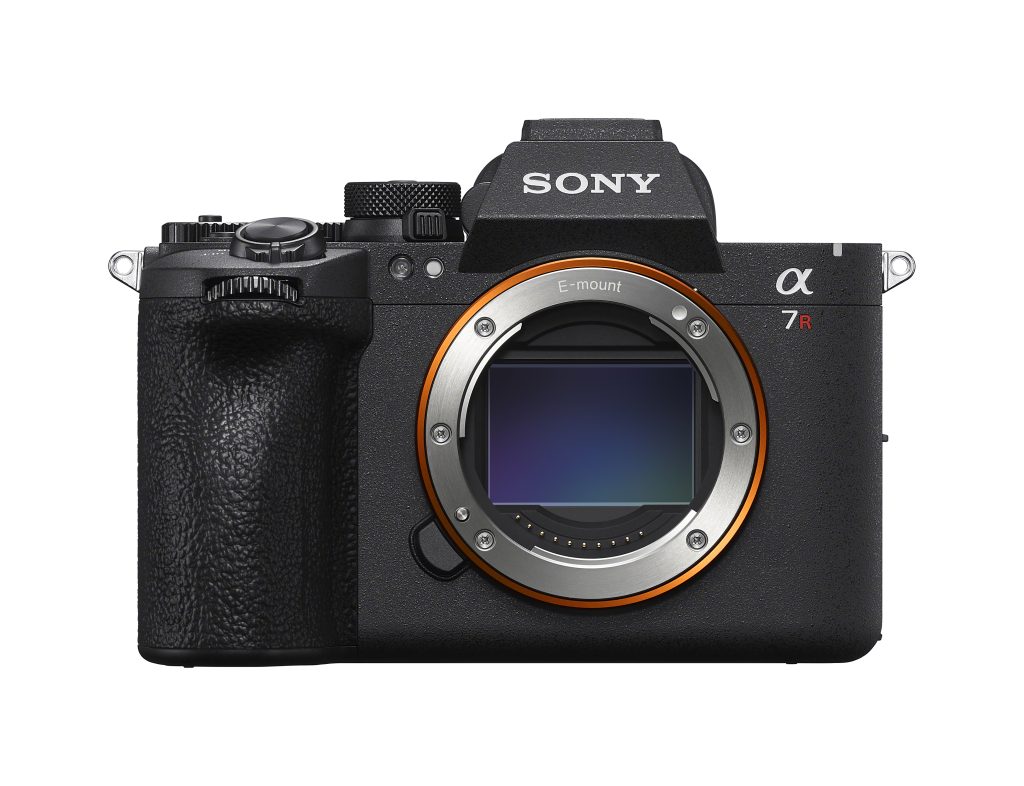
The core advancement of the Alpha 7R VI is its sensor readout speed, which is roughly 5.6 times faster than its predecessor. This massive increase in data throughput enables the camera to perform up to 60 autofocus and auto-exposure calculations per second. To manage this speed, the integrated AI processing unit utilises Real-time Recognition AF+ featuring skeletal-based human pose estimation. This allows the system to accurately track athletes, wildlife, and rapidly moving subjects even when they are temporarily obscured or facing away from the lens.
Handheld shooting sees a notable upgrade too with a revised 5-axis optical image stabilisation system that delivers up to 8.5 stops of correction at the centre and 7.0 stops at the periphery. For composition, the camera features a 9.44-million-dot OLED viewfinder that matches the DCI-P3 colour gamut and supports 10-bit HDR, offering three times the maximum brightness of conventional models for easier operation in direct sunlight.
Physical usability has also been updated with a newly designed, deeper handgrip and illuminated rear buttons to aid low-light and astrophotography workflows. Additionally, the camera body includes dual USB Type-C ports to allow simultaneous data transfer and power delivery, alongside integrated support for Sony’s Camera Authenticity Solution to verify metadata and combat AI-generated image falsification.
On the video front, the Alpha 7R VI records 8K video at 30p via 8.2K oversampling for up to 120 minutes without thermal shutdown. It also supports full-frame 4K recording at 60p and 120p without a sensor crop. The camera introduces a Dual Gain Shooting mode to maximize dynamic range and minimize shadow noise during high-contrast scenes.
In tandem with the camera launch, Sony introduced the XLR-A4 XLR adaptor, which mounts via the Multi Interface Shoe to enable 4-channel digital audio capture. The adaptor features dual analog-to-digital converters and supports 96kHz 32-bit float internal recording. This audio format records a wide dynamic range that prevents clipping at the input stage, eliminating the need for precise gain adjustments on location.

To power these high-bandwidth components, Sony has transitioned to a new high-capacity NP-SA100 battery (2670 mAh), which provides roughly 1.3 times the capacity of the older Z-series batteries.
This allows the camera to achieve a CIPA rating of up to 710 images when using the LCD monitor. Because of the new battery dimensions and physical alignment, the camera requires a new ecosystem of accessories, including the VG-C6 Vertical Glow Grip and the BC-SAD1 dual battery charger.
The Sony Alpha 7R VI and the XLR-A4 adaptor are scheduled to arrive in South Africa in mid-July 2026, with a recommended retail price starting at R99,999.00.


You might also like


More from Featured

Beyond Generative AI: How ‘Agentic AI’ Could Fuel Africa’s Next Technological Leapfrog
While the global corporate landscape continues to assimilate the rapid rise of Generative AI, technology architects are already shifting their …

Fastway Replaces Variable Surcharges with Fixed 5% Rate
Fastway Couriers has introduced a permanent shift in its pricing structure, moving away from the industry-standard dynamic fuel surcharge in …
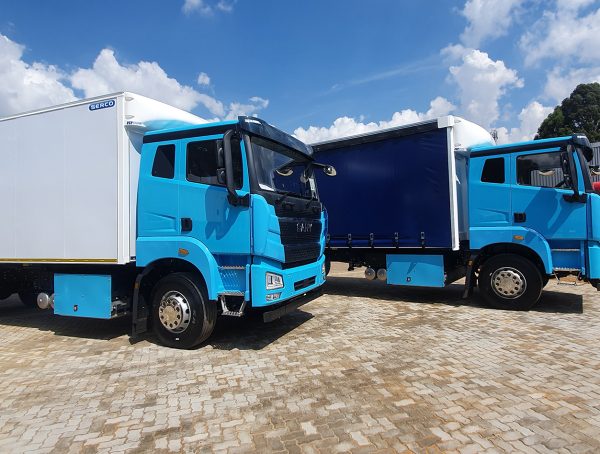
Serco and SANY Trucks Partner to Deliver Next-Electried Commercial Vehicles
Serco has successfully designed and manufactured rigid truck bodies for SANY Trucks' local electric vehicle range. The project, completed at …